
Lines and Light Above the Tree Line
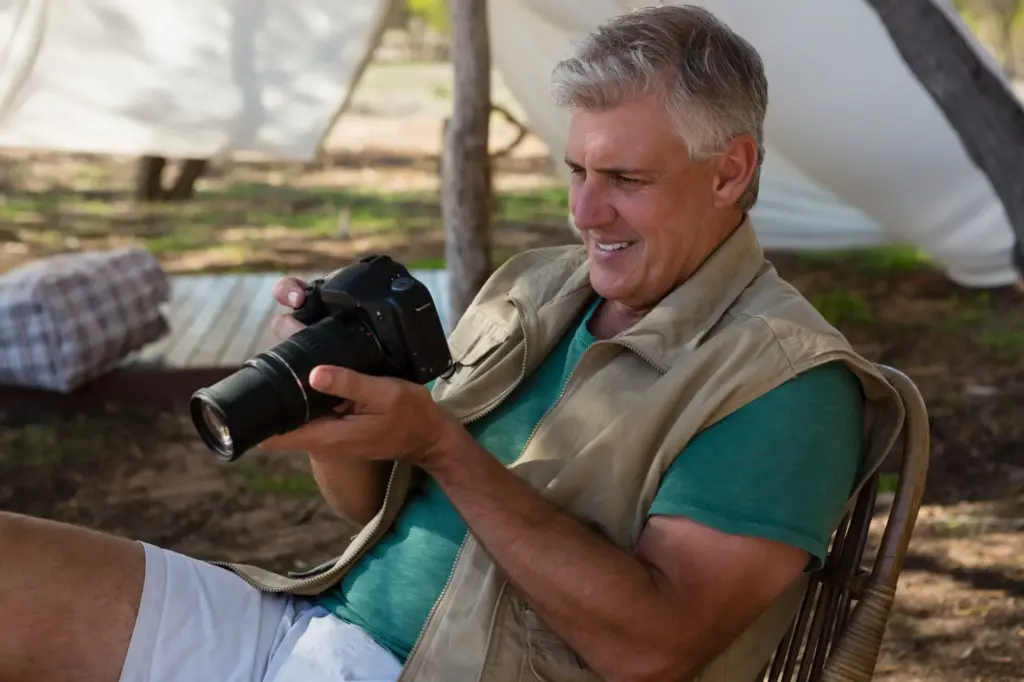
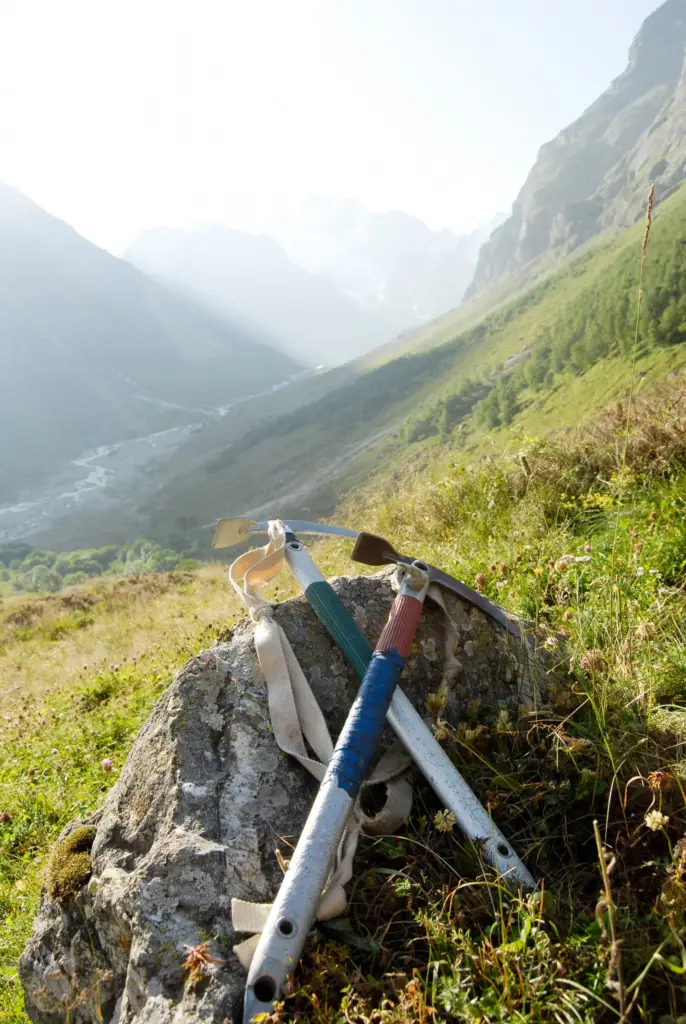
Today we dive into Analog Field Methods: Sketching and Film Photography Across Alpine Routes, moving slowly through wind-scoured passes with notebooks, pencils, and trusted cameras. Expect practical packing tips, resilient workflows, and reflective stories from high, cold ridgelines where patience outperforms gadgets. Share your favorite emulsions, sketching tricks, and route notes in the comments, subscribe for deeper field guides, and help grow a community that values craft, safety, and the rare clarity found when graphite lines and silver halides meet mountainous light.

Field Workflow: From First Line to Final Frame
Momentum in the mountains favors those who simplify choices. Start each stop by anchoring scale with a landmark, then sketch silhouettes before details drift. Pre-focus cameras, preset exposure, and keep lenses clean in blowing sugar snow. Work in cycles: observe, draw, meter, compose, shoot, then annotate. A focused cadence calms nerves at thin air, protects story coherence, and guards against the misstep of chasing every sparkle. When weather cracks open, you already know the frame; when it closes, your notebook preserves the missing light with quiet authority.
Route Sketching: Lines that Keep You Honest
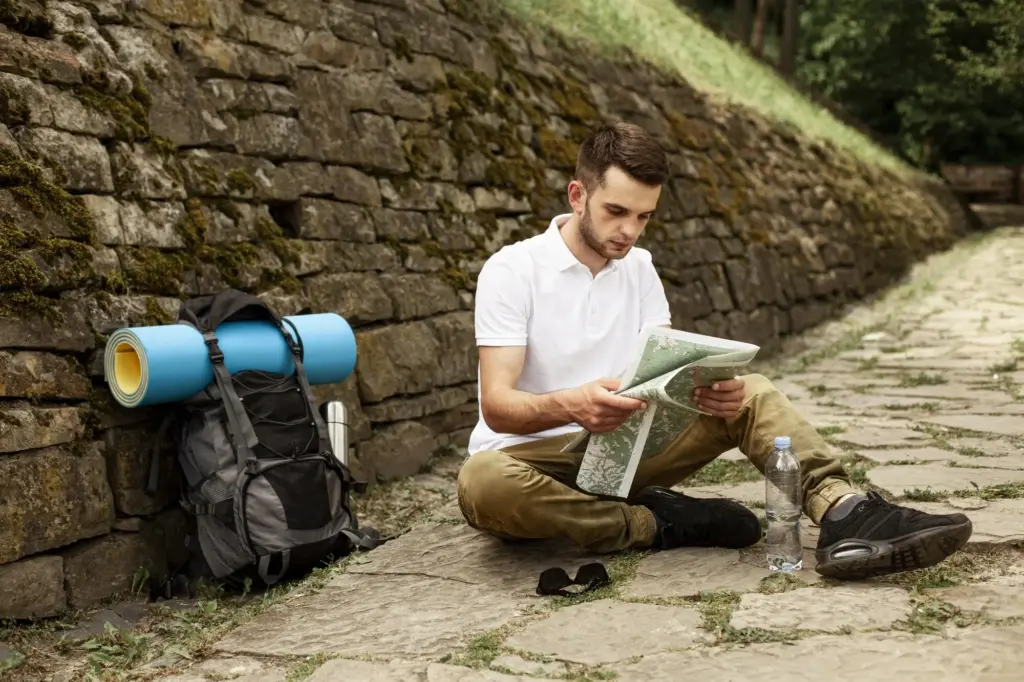
Good lines tell the truth, even when fear or fatigue pressures shortcuts. Sketching routes teaches humility about distance, slope, and cornice behavior. Use symbols for surface types, clear arrows for safe traverses, and hashed caution zones where hangfire lurks. Pair visual notes with short words, never trusting memory to decipher squalls. These drawings become conversational tools for partners, honoring shared risk while turning subjective impressions into common plans. The mountain rewards this integrity with fewer surprises, better timing, and photographs anchored to accurate pathways rather than wishful misreadings.
Film Craft at Altitude: Cameras, Care, and Cold
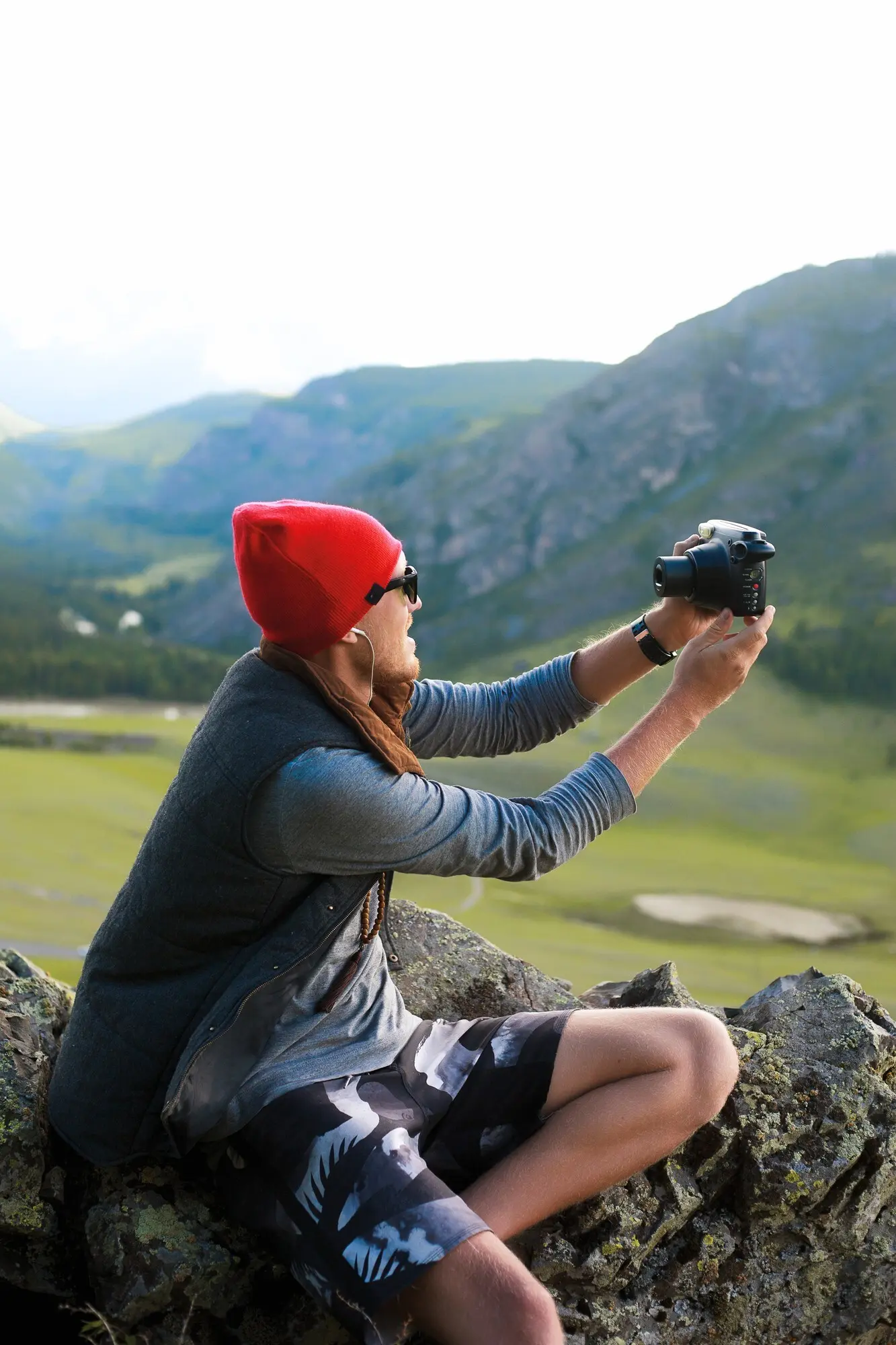
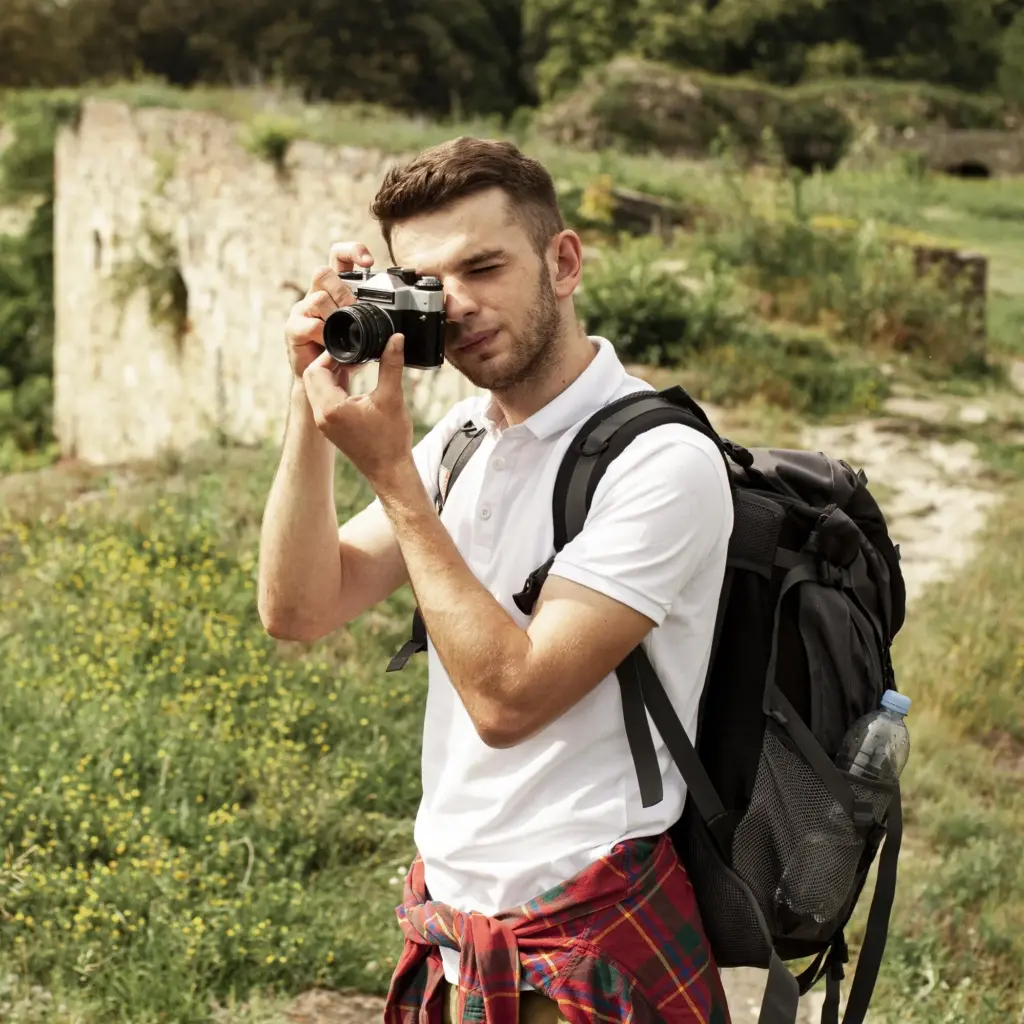
Mechanical reliability earns trust above treeline. Favor bodies with simple, serviceable shutters, minimal electronics, and controls workable in liners. Condensation management becomes ritual: bag gear before entering warm huts and keep film near your core. Lubricants thicken; advance slowly, never forcing mechanisms. Static sparks can etch night frames during cold rewinds. Protect lenses with deep hoods against crystalline spindrift, and carry a soft brush for snow that will not melt. These habits preserve negatives and your focus, freeing attention for composition instead of triage when winds rise.
Mechanical bodies that laugh at blizzards
Certain cameras feel carved for winter. A Nikon FM2 cocks like a metronome in frost, while a Pentax K1000 delights with rugged simplicity. A Hasselblad 500’s shutter depends on calm, deliberate fingers, rewarding patience with square, contemplative frames. Even a meterless Leica can sing if you pre-learn exposures. Avoid over-lubed bodies that seize. Tape doors against drifting snow, and practice every control with gloves. When storms test resolve, these machines continue, an unfussy chorus of clicks that outlast battery warnings and keep your attention on the mountain’s changing light.
Protecting emulsions from temperature swings
Emulsion and base expand and contract; respect the chemistry. Carry film in inner pockets, rotate canisters to avoid brittle plastics, and let sealed bags equalize before opening in huts. Label rolls clearly, noting push or pull intentions. At night, avoid rapid rewinds that trigger static discharge; go slow and steady. For long exposures, account for reciprocity failure and battery sag in electronic shutters. Back at base, air-dry bags, refresh desiccant, and quarantine suspect rolls. These small courtesies shield latent images from invisible stress lines that only appear when it is too late.
Storytelling: Bridging Notebook and Negative
Great trips feel coherent when drawings, frames, and words sing the same melody. Let sketches introduce place and intention, photographs reveal texture and tone, and captions translate decisions into meaning. Edit with restraint, honoring quiet frames that carry weather and time. Build sequences that walk partners through risk, discovery, and recovery, not just the cresting moment. Consider privacy and stewardship; share patterns over coordinates, and include context that helps others prepare. The mountain deserves narratives that illuminate judgment, celebrate care, and resist the speed that flattens nuance into spectacle.
Practice and Community: Keeping Hands Trained
Craft grows in good company and daily repetitions. Establish small drills that fit busy weeks, refine dexterity for cold mornings, and join circles where gentle critique raises everyone. Seek darkrooms, zine nights, and mapping volunteers who value slowness. Trade scanning time, share chemicals, and pool tripods for group traverses. Celebrate process over trophies, honoring tiny improvements like steadier hatching or cleaner negatives. When storms close passes, practice indoors; when sun returns, meet at trailheads with sharpened pencils, loaded film, and a readiness to translate mountain weather into lasting marks.
Train under small constraints: blind contour drawings of ridge profiles, five-minute value scales from memory, and exposure estimation games before checking a meter. Practice loading film with eyes closed, timing yourself without rushing. Dry-fire shutters at varied speeds to memorize sound. Sketch while holding a cold spoon between knuckles to simulate stiff joints. These playful patterns accumulate resilience, so when dawn chills assert themselves on a windy saddle, your hands remain calm, nimble, and committed to lines and frames that hold steady against impatience.
Pace determines safety and story. Choose partners who welcome pauses for drawing and bracketing, who split tripod weight without complaint, and who debrief sincerely over tea. Rotate roles—navigator, sketcher, photographer—so empathy grows with responsibility. Establish go-no-go criteria, shared radio checks, and storytelling goals before stepping onto snow. Agree to turn around when light or layers warn. Communities like this nourish attention, producing images and notes that honor place rather than ego, and building trust that outlasts summits, sponsors, or the flicker of an online moment.
Today’s discipline protects tomorrow’s memory. Sleeve negatives in archival enclosures, label contact sheets with cross-referenced notebook pages, and maintain redundant, verified scans. Track film batches, chemistry, and paper choices to preserve continuity across projects. Store notebooks cool, dry, and indexed with a simple, human-readable code. Print and annotate regularly, resisting the lull of unreviewed files. Add letters to your future self describing intent behind choices. When experience ripens, your carefully tended archive will teach new readers, students, and companions how lines and light shaped choices in mountain weather.
All Rights Reserved.