Unhurried Peaks, Crafted Places

Settle into a gentler rhythm among ridgelines, lakes, and villages where makers still shape wood, wool, and space with care. Today we explore Analog Alps: Design and Slow Travel, inviting you to savor hand-built details, scenic trains, long walks, and conversations that linger like mountain light across quiet, generous valleys.

Where Materials Meet Mountains

Architecture here listens to weather and time. Timber darkens, stone holds heat, and copper returns the patina of storms. Buildings huddle behind deep eaves and thoughtful shutters, inviting rest without spectacle. You begin to notice how restraint, tactility, and honest joints create profound comfort, guiding attention to views, neighbors, and the steady hush of snow.

Timber, Stone, and Snow Loads

The most beautiful chalets are quiet lessons in physics. Thick beams carry centuries of winters, stone plinths shrug off meltwater, and steep roofs slide heavy snow safely away. Touch the grain near a hand-worn railing and feel decisions made for safety, warmth, and longevity, all resolved with modest grace rather than decorative loudness.

Windows that Frame Weather

Windows become instruments for noticing. Small panes cut glare, deep reveals soften noon light, and shutters close like eyelids when the föhn rises. Sit beside a south-facing bench and watch shadows travel across limewash, realizing that good design choreographs daylight gently, letting the world enter as a welcomed, living companion instead of a spectacle.

Lessons from Vorarlberg and Engadin

In alpine valleys celebrated for craft, contemporary buildings borrow discipline from barns while adding breathable insulation, elegant joinery, and calm interiors. You encounter community sawmills, cooperatives, and architects who speak first about neighbors and rivers. The result is not nostalgia, but continuity: familiar silhouettes reimagined with healthier materials and spaces that feel freshly humane.

The Art of Moving Slowly

Trains skim river curves, postbuses ring cheerful horns at hairpins, and trails knit hamlets into welcoming tapestries. Moving gently restores proportion: distances become stories, not obstacles. With every transfer or footbridge crossed, you collect textures of dialect, bakery scents, and shared smiles, proving that arrival begins long before any scheduled destination appears.

Rails That Breathe: Glacier and Bernina

Scenic lines climb with improbable grace, crossing viaducts like stitched threads over green cloth. From open windows or panoramic cars, you watch valleys unfold patiently, villages appearing and receding like chapters. Rail travel here feels contemplative, with lower emissions than short flights, reliable timetables, and the priceless chance to daydream between bright, unhurried stations.

Footpaths Between Huts

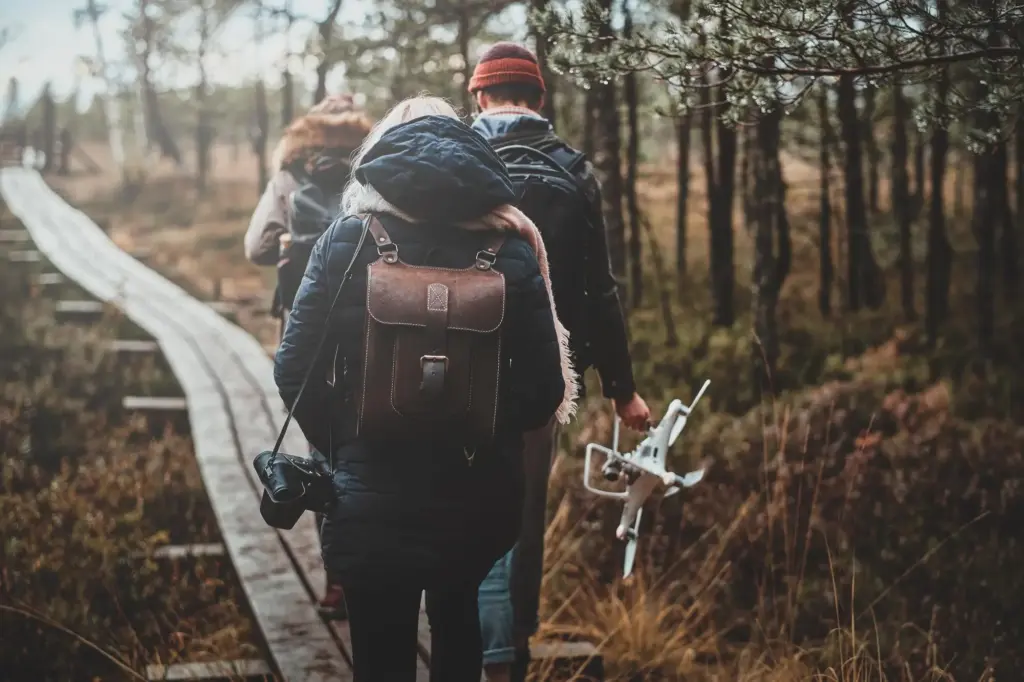
Waymarked trails lead from meadow to moraine, linking refuges kept by caretakers who remember storms by name. Between red-and-white blazes, you learn pacing, water, and weather reading. Evenings bring soup, wool blankets, and conversations carried by candlelight. Moving hut to hut turns a map line into a handshake with terrain, generous and instructive.

Analog Rituals for Remembering

Put the phone away and let paper, ink, and film do their unhurried work. Notes dry with coffee rings, negatives wait for evening, and envelopes accumulate stamps like tiny souvenirs. These rituals slow perception to human tempo, helping memories attach to touch, scent, and sound rather than vanishing into quick, unsearchable swipes and pings.

Carry a Film Camera, Embrace the Wait

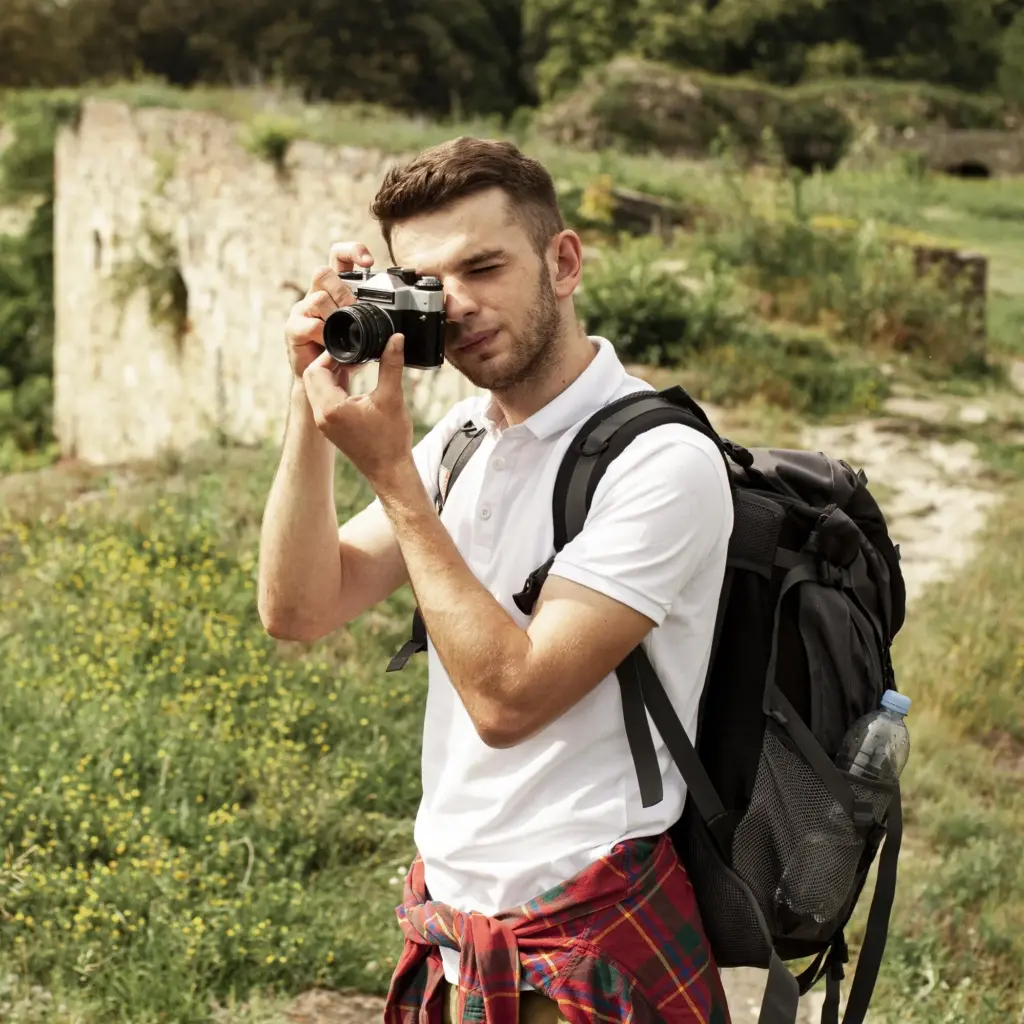
There is courage in not knowing the shot until days later. Framing becomes attentive, shutter clicks become promises, and grain becomes weather. When the scans arrive, you rediscover patience inside each frame, noticing how overcast light softened peaks and a friend’s wool cap anchored scale. Imperfection turns into the photograph’s most generous teacher.

A Sketchbook as a Hearth

Pencil lines pick up rhythms your eyes almost missed: gutter angles, dovetail proportions, and larch bark striations. A quick contour under a hut eave warms numb fingers and focuses breath. Back home, these pages glow like embers, inviting longer projects, braver trips, and letters to strangers who might one day share that same bench.

Postcards as Micro-Architectures

A postcard is a tiny room of words, bounded by a picture window and a stamp. Space is limited, so you choose details with care: bell tones, rye crust, the color of glacial silt. Dropping it into a quiet village box becomes a farewell ritual, binding place, time, and friendship with deliberate, physical affection.

Tables, Fields, and Workshops

Meals and objects carry altitudes within them. Cheeses mature in cool caves, bread hardens to meet soup kindly, and aprons smell faintly of resin. In backrooms, hands carve, weave, stitch, and plane. When you buy less yet better, you sponsor knowledge that cannot be downloaded, and you taste patience transformed into nourishment.

Sustainability That Feels Like Home

Slower choices reduce noise you make on landscapes and neighbors’ calendars. Rail journeys emit far less than quick flights, reused buildings save embodied energy, and seasonal menus honor watersheds. You notice stewardship replacing consumption, and comfort coming from breathable rooms, good boots, respectful volume, and the courage to leave some places simply unseen.

A One-Week Unhurried Circuit

Day 1–2: Chur to Sils Maria

Arrive by rail, stroll alleys, and visit a small museum to attune your eyes. Ride upward to a high valley famous for its calm blue lakes. Settle in Sils Maria, walk shoreline paths, and sketch boathouses at dusk. Evenings belong to reading rooms, slow dinners, and notes you mail the next morning.

Day 3–4: Muottas Muragl to Zuoz

Arrive by rail, stroll alleys, and visit a small museum to attune your eyes. Ride upward to a high valley famous for its calm blue lakes. Settle in Sils Maria, walk shoreline paths, and sketch boathouses at dusk. Evenings belong to reading rooms, slow dinners, and notes you mail the next morning.

Day 5–7: Bernina to Valposchiavo and Back

Arrive by rail, stroll alleys, and visit a small museum to attune your eyes. Ride upward to a high valley famous for its calm blue lakes. Settle in Sils Maria, walk shoreline paths, and sketch boathouses at dusk. Evenings belong to reading rooms, slow dinners, and notes you mail the next morning.

Join the Conversation on the Ridge
This space grows through shared attention. Tell us where patience surprised you, what bench held your favorite view, or which workshop smell stayed on your scarf. Leave a comment, subscribe for thoughtful letters, and pass this page to a friend who loves arriving slowly and noticing design that quietly dignifies everyday life.
Describe a moment when clocks softened: a delayed train that became a gallery of faces, or fog that trimmed a hike and made soup taste truer. Your story might help someone else choose a gentler pace tomorrow and discover welcome blooming exactly where plans once shouted loudly.
Maybe it was a hand-forged latch that clicked like a satisfied breath, or a bench aligned with the moonrise. Post a photo or a sketch and a sentence. Small details teach big lessons, and your noticing helps travelers recognize craftsmanship worth supporting with time, care, and honest, returning footsteps.
Join our mailing list for occasional field notes written like postcards, not push notifications. Expect stories of rail windows, workshop visits, and practical packing insights. We invite replies, questions, and gentle disagreements, because conversation, like mountain weather, becomes richer when many attentive voices move through it together.
Nilomiralaxinovi
Privacy Overview

This website uses cookies so that we can provide you with the best user experience possible. Cookie information is stored in your browser and performs functions such as recognising you when you return to our website and helping our team to understand which sections of the website you find most interesting and useful.