

Across Ridges and Rooflines

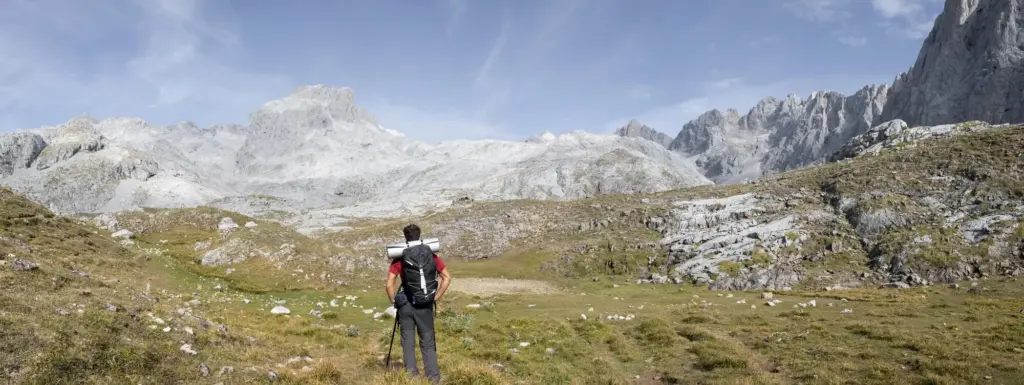
Today we journey into Mountain Refuge Architecture: Experiencing Hut Design Through Multi-Day Treks, celebrating the meeting point of wild landscapes and thoughtful shelter. Discover how overnight stops shape pacing, safety, culture, and delight, while materials, energy systems, and human comfort quietly orchestrate unforgettable days between sunrise ascents and starlit rest.

Footprints and Foundations

From shepherd shelters to meticulously engineered alpine stations, the lineage of high-country refuges mirrors evolving relationships between people and mountains. Walking hut to hut turns architecture into a living companion, guiding rhythm, encouraging camaraderie, and transforming long approaches into richly textured narratives stitched by weather, terrain, and shared tables.

Materials That Weather the Summit

High-altitude construction honors the tyranny of logistics and the poetry of endurance. Every board, bolt, membrane, and tile must justify helicopter lifts, freeze-thaw cycles, and relentless UV. Along a multi-day circuit, design choices become tactile—rails that warm numb fingers, floors resisting crampon scars, and roofs shrugging spindrift.

Timber’s Warm Heart in a Cold World

Cross-laminated timber panels deliver stiffness with gentle acoustics, reducing echoes in communal rooms where laughter and maps compete with kettle whistles. Exposed grain calms snow-blind eyes, while treated edges resist moisture creep, balancing sustainability, lightness, and the cozy welcome hikers quietly hope awaits beyond the final switchback.

Stone, Steel, and the Dance of Loads

Shelters perched on talus rely on careful load paths that pin foundations without scarring the slope. Steel frames manage uplift from catabatic winds, while stone cladding, sometimes sourced nearby, offers thermal mass and visual gravity, helping buildings feel rooted even when storms pry at every joint.

Human-Centered Wayfinding and Rest

A well-considered refuge understands tired minds and heavy legs. Circulation avoids confusion in low light; bunks promise privacy without isolation; windows frame morale-restoring horizons. On a multi-day trek, these decisions accumulate into confidence, smoother mornings, and quieter nights where breath and wind set the tempo for tomorrow.

Sustainability at Altitude

Remoteness magnifies every footprint. Smart huts turn scarcity into design intelligence, closing loops for water, waste, and energy. Along a hut-to-hut traverse, guests become participants: refilling bottles at UV stations, sorting scraps, and noticing how solar angles, shading, and compact volumes translate ethics into everyday ritual.

Power From Thin Air and Sharp Sun

Photovoltaics sip clear, high-altitude light, while micro-wind harvests nocturnal flows skimming ridges. Battery banks hide behind paneling, buffered by cautious demand management. The outcome is quiet reliability: headlamps charging, kettles humming, and the deep satisfaction of comfort generated without diesel’s smell or helicoptered barrels of fuel.

Water Wisdom Above the Treeline

Snowmelt cisterns, filtration, and strict graywater paths protect fragile soils. Low-flow fixtures matter more when resupply is a storm away. Clear signage invites hikers into stewardship, turning every refill into a lesson on hydrology, seasonality, and the shared responsibility of keeping alpine sources pristine for tomorrow’s thirsty climbers.

Safety, Climate, and Resilience

Design teams map historical slides, consult rangers, and ground-truth with winter guides. A few meters of relocation can trade catastrophe for calm. Trekkers sense the wisdom subconsciously: a hut tucked behind a knuckle, rooflines angled away, and approach paths that avoid loaded bowls after fresh snowfall.
Steep pitches dispatch slough; snow guards meter movement; metal seams resist ice creep. Overhangs protect entries where people juggle gloves and keys. Gutters become armored channels, not fragile ornaments. In tempests, these strategies vanish into function, letting arrivals happen cleanly, without wrestling drifts or dodging sliding slabs.
CO detectors, vestibule airlocks, and balanced ventilation keep lungs happy. Stoves live in armored corners with noncombustible backsplashes, while emergency lighting tracks toward exits even in swirling spindrift. Safety here feels like hospitality, a calm assurance that complex systems quietly knit comfort from chaos outside.

Cultural Threads Along the Trail

Caretakers become curators, serving stews that honor valleys below while teaching boot room etiquette with a wink. Their rituals—tea at four, lights at ten—weave predictability into wild days, offering warmth not just from radiators, but from practiced kindness exchanged across benches, mugs, and maps.
Joinery echoes regional schools; textiles mirror valley patterns; signage borrows idioms that make even warnings feel neighborly. These touches transform stopovers into belonging, helping travelers sense continuity between villages, slopes, and sky, while celebrating hands that built, repaired, and blessed the refuge through stormy decades.
Tales of heroic winter crossings or benevolent marmots become playful heuristics: leave early, pack layers, share biscuits. Framed photos of founders and avalanches sharpen judgment without lecturing, so stories act as subtle compasses, nudging choices toward safety and generosity as the trail thins into evening light.

Planning a Multi-Day Circuit

Linking huts turns topography into tempo. Distances, elevation gain, and reservation windows must harmonize with weather windows and daylight. Good planning respects architecture’s cadence—where amenities shine, where water is scarce—so each day closes with relief, warmth, and a front-row seat to alpenglow rehearsing tomorrow’s ambitions.

Pacing That Respects Terrain and Spirit

Stack moderate days before committing to longer crossings, especially if snowfields linger. Consider hut facilities when plotting rest days, choosing stops with drying rooms after soggy forecasts. The smartest itinerary preserves wonder by preventing hurry, letting design comforts and mountain drama alternate like breath and stride.

Reservations, Etiquette, and Shared Space

Book early during popular bloom or fall color windows, then write arrival estimates in hut logs. Pack earplugs, practice whispering doors closed, and claim only the space you need. Collective grace makes architecture sing, turning bunkrooms into choirs rather than percussive cacophonies of zippers, buckles, and fatigue.

Gear That Complements the Shelter

Bring lightweight slippers for mudroom transitions, a compact towel for water-wise washups, and a headlamp compatible with charging policies. A thin sleep liner pairs nicely with clean hut mattresses. Thoughtful packing respects systems in place, amplifying comfort while keeping logistics smooth for hosts and fellow wanderers alike.

Nilomiralaxinovi
Privacy Overview

This website uses cookies so that we can provide you with the best user experience possible. Cookie information is stored in your browser and performs functions such as recognising you when you return to our website and helping our team to understand which sections of the website you find most interesting and useful.